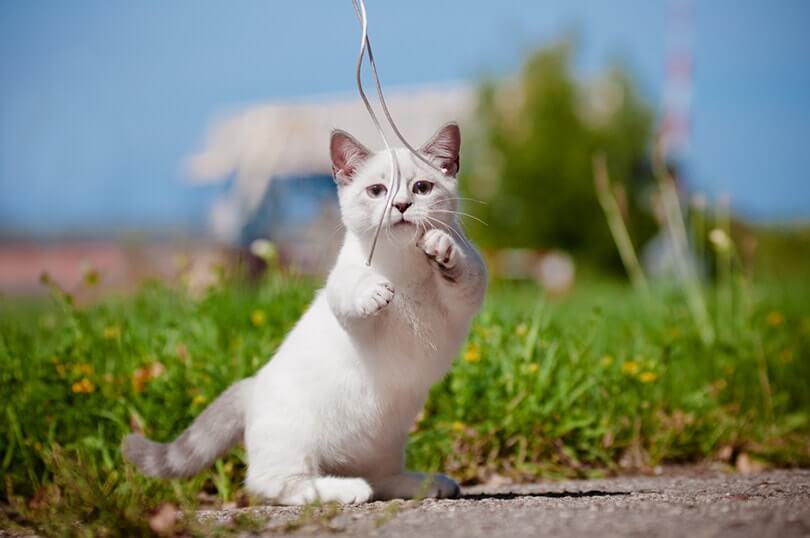
Just take a closer look at the munchkin cat images — so cute! This breed is known for its super short legs and adorable character traits. As a current or future owner of such a cutie, your head may be blowing out with numerous “what ifs” concerning the cat’s well-being and life quality.
In this case, knowledge is truly power — the more you know about potential challenges to face, the more prepared you will be. We are here to let you avoid myriads of unknowns and check what health-related risks munchkins have as a breed.
Munchkin Cat Breed: Facts and Overview
Before learning about potential health issues you may need to deal with at some point, why not explore the distinguished breed’s peculiarities in more detail? Check the table below for more interesting facts.
Size
Small, with a long body and short legs — dachshund-like appearance
Height
Six to nine inches (fifteen to twenty-three centimeters)
Lifespan
Twelve to fifteen years
Weight
In the range from two to six kilograms
Origin
Developed in the USA in the eighties
Activity level & temperament
Despite their short legs, these kitties are extremely agile and love playing around, including climbing. They are sociable, affectionate, and intelligent pets.
Grooming
Low-maintenance rules of care
Most Common Scottish Fold Munchkin Cat Health Problems
In most cases, the risks related to this breed are connected to their short legs and genetics. Compared to other cats, including British Shorthairs, Sphinx, and Burmese, munchkins are less susceptible to life-changing threats. With the help of joint supplements containing hyaluronic acid and glucosamine, regular exercise, a healthy and vitamin-rich diet, you will be able to prevent a bunch of munchkin cat breed health problems.
Nonetheless, forewarned is forearmed:
Pectus excavatum — this type of deformity is a physical condition that results in a hollowed chest. Symptomatically, you can suspect it if your friend suffers from pneumonia, weight loss, and low activity capacity. The best way to solve the problem is through surgery.
Uremia — mouth ulcers, diarrhea, and vomiting are always bad symptoms. Consult with your veterinarian and get the right medication to treat the core of the problem to see your cat happy and lively again.
Spinal problems — typically, this condition is easy to diagnose. However, don’t let it progress without proper treatment. Otherwise, you might not be able to save your cat in the worst-case scenario of lordosis.
Osteoarthritis — not only do people suffer from this condition, but cats also do. Although it is widespread among more mature pets, it doesn’t mean your young kitty is protected from its risks for 100%. Accompanied by regular exercise, special supplements will serve as a good treatment and disease prevention strategy.
Wrapping It Up
To become a reliable owner to your little buddy, you will need to explore their breed in as much detail as possible. That’s how you will be up in arms and know what to do to prevent life-threatening risks and health-related conditions. Thanks to attention monitoring and early diagnostics, it will be possible to address and treat several concerns effectively, prolonging the life span of your charming family member.