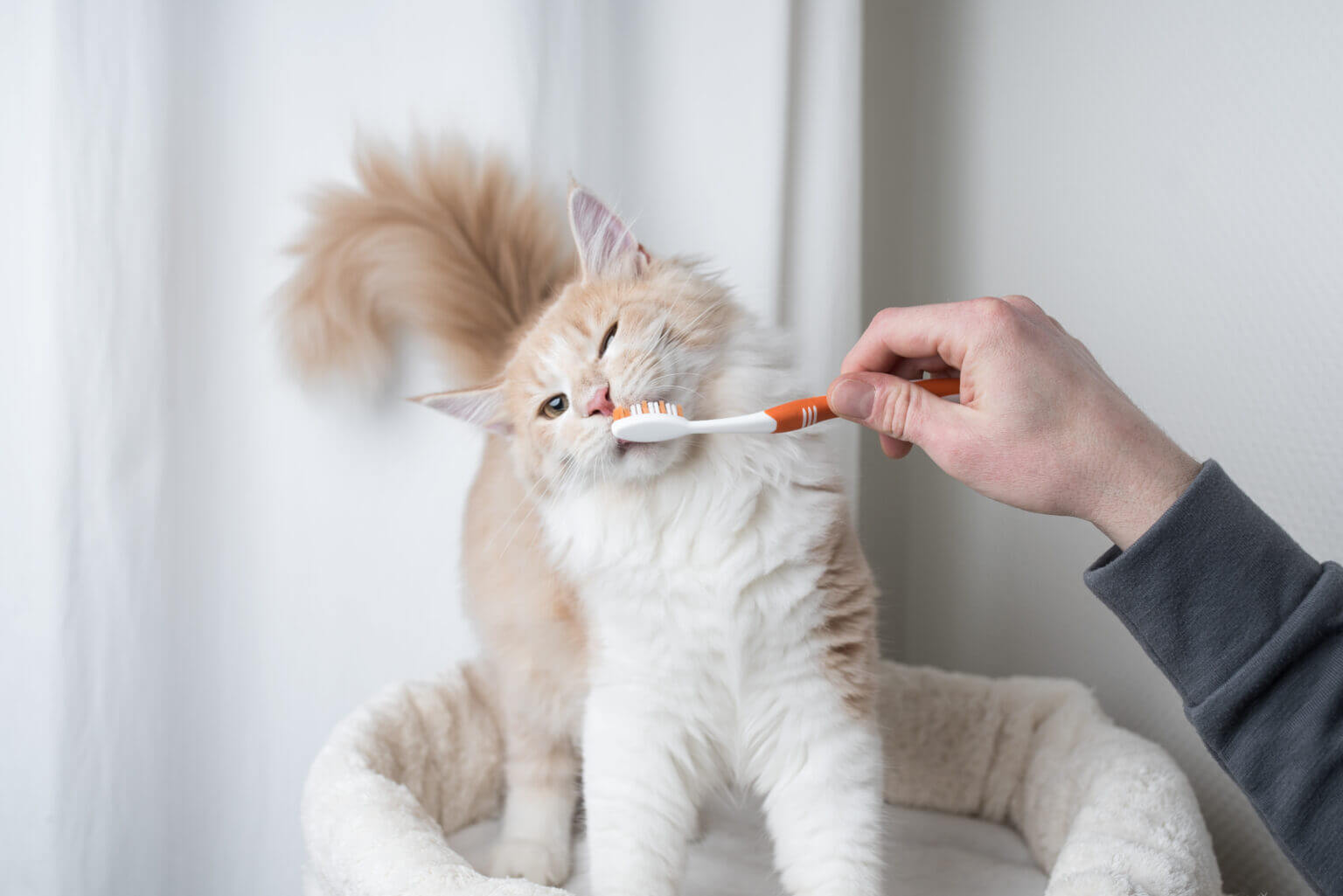
If you have recently adopted or purchased a cat, congratulations — your household will certainly become brighter and more lively. However, aside from the joy these animals can bring as pets, you shouldn’t forget about your duties and responsibilities as their happy owner. In this guide, we will take a closer look at dental care tips and concerns to pay attention to and protect your four-legged friend’s comfort and well-being.
Mouth washing, flossing, daily brushing, and other things to take care of teeth seem natural. However, when it comes to cats and their well-being, a lot of unknowns might truly cause your headache. To avoid any issues and ensure your pet feels great, it is important to broaden your outlook and develop your knowledge base about the guidelines of care and grooming.
People supply their pets with different types of food, including dental health kibble cat solutions, but there is no guarantee that on-teeth plaque won’t appear with their aging. It is crucial to combine wet and dry sources of supplements, vitamins, and minerals for your cat. If you go either 100% dry or wet, you will still have to deal with high rates of plaque buildup on your pet’s teeth.
Furthermore, the development of dental illnesses can be caused by chronic issues, including viral infections negatively influencing the gums. Monitor your cat’s behavior and eating habits to see if there are any reasons to start worrying. In the worst-case scenario, your kitty might lose weight and stop consuming food of any type at all.
Here are some red flags to be surely triggered by:
The range of cat dental health products you consider should be a balanced combination of dry and wet goodies. This way, you will help a kitty use different teeth and mouths to the full even though they don’t hunt for food. Here are a few excellent solutions to test:
As you can see, your approach to taking care of your cat’s teeth has to be varied and include several strategies for a refreshed breath and strong teeth without tartar and plaque buildup. Visit your vet regularly to spot other conditions with symptoms similar to dental diseases.